

“How much water should you drink in a day?” is a commonly discussed topic. The most frequent advice people hear is to drink 6–8 glasses of water or around 2 liters per day.
Water makes up about 70% of the human body and is responsible for transportation and regulation to maintain normal bodily functions. We continuously lose water through sweating, urination, and breathing, so maintaining proper hydration is essential.
However, how much water to drink, what type of water to choose, and whether you should only drink when thirsty are all questions worth exploring. This article will explain the key facts about hydration.
How Many Bottles / Ounces of Water Should You Drink a Day
According to the UK National Health Service (NHS), people who do not feel thirsty should aim to drink 6–8 glasses of fluids per day.
According to NASM, sedentary individuals should consume approximately:
- 3 liters per day for men
- 2.2 liters per day for women
Note:1 glass ≈ 240 ml (8 oz),3 L ≈ 13 glasses,2.2 L ≈ 9 glasses
These recommendations apply to sedentary individuals. If you live in a hot environment or engage in higher levels of physical activity, additional water intake is required.
For example, for fat loss:
If you follow a structured fat-loss plan, it is recommended to drink an additional 8 oz (one glass) of water for every 25 pounds above your ideal body weight.
Example:
A man weighs 190 lbs, with an ideal weight of 165 lbs (25 lbs excess)
Calculation:
3 L + (25 ÷ 25 × 8 oz) = 3 L + 8 oz ≈ 3.24 L
TIP: Does Drinking Water Help You Lose Weight
This is a common question.
Drinking more water can help with weight loss, but it does not directly burn fat.
Its benefits include:
- Increasing satiety
- Slightly boosting metabolism
- Replacing high-calorie beverages
A study published in Obesity showed that people who drank about 500 ml of water before meals lost approximately 2 kg more over 12 weeks compared to a control group.
Best Water to Drink
In the NHS recommendation above, the term “fluids” is used because beverages such as low-fat milk, sugar-free drinks, tea, and coffee can all contribute to daily fluid intake.
However, relying primarily on beverages is not ideal. It is better to compare different types of water.
Common types include: Mineral water, Purified water, Distilled water and Lemon water.
Below is a comparison of different types of drinking water to help you choose the best option
| Type | Advantages | Disadvantages | Suitable for Long-Term Use |
|---|
| Mineral Water | Contains natural minerals (calcium, magnesium, potassium); helps replenish electrolytes; better taste | Some types have high mineral content; relatively more expensive | Yes, recommended as a primary daily water source |
| Purified Water | Low in impurities; high safety; affordable | Contains little to no minerals; nutrients must come from diet | Yes, suitable for long-term use |
| Distilled Water | Very high purity; free from contaminants | No minerals; flat taste; may affect electrolyte balance if consumed long-term | Not recommended as the only long-term water source |
| Lemon Water | Provides small amounts of vitamin C; improves taste; may increase water intake | Acidic (may damage tooth enamel); may irritate the stomach; no proven detox effect | Can be consumed long-term with precautions (dilution, avoid excessive intake) |
TIP: Can You Drink Rainwater or Tap Water
Rainwater should not be consumed. Although it may appear clean (similar to snow), it can contain pollutants, bacteria, and even heavy metals.
Tap water depends on your location. In most developed countries, tap water is safe to drink. In regions such as China, it is generally not recommended unless filtered.
Thirst and Drinking Water
Thirst is a common signal, and many people believe they should only drink when thirsty.
However, in practice, relying solely on thirst makes it difficult to reach a daily intake of 2–3 liters.
Additionally, feeling thirsty already indicates mild dehydration, suggesting that hydration should occur earlier.
So which approach is correct?
From a physiological perspective, thirst is indeed a signal of dehydration. The brain triggers thirst and releases hormones that help the kidneys conserve water. Mild dehydration occurs when the body loses about 1–2% of its water.
The key question is: how much does mild dehydration affect performance?
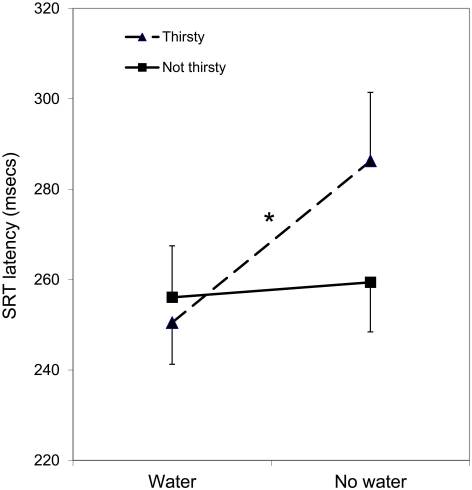
Interestingly, when thirsty individuals drank water, their reaction speed improved by 14%.
Research shows that significant fluid loss can impair athletic performance, but mild dehydration (less than 2% of body weight) has minimal impact.
Experts therefore recommend keeping dehydration below 2% of body weight, as levels above this can negatively affect circulation. At the same time, drinking more water than needed does not improve performance.
A study published in Proceedings of the National Academy of Sciences found that drinking water when not thirsty requires about three times more effort than drinking when thirsty.
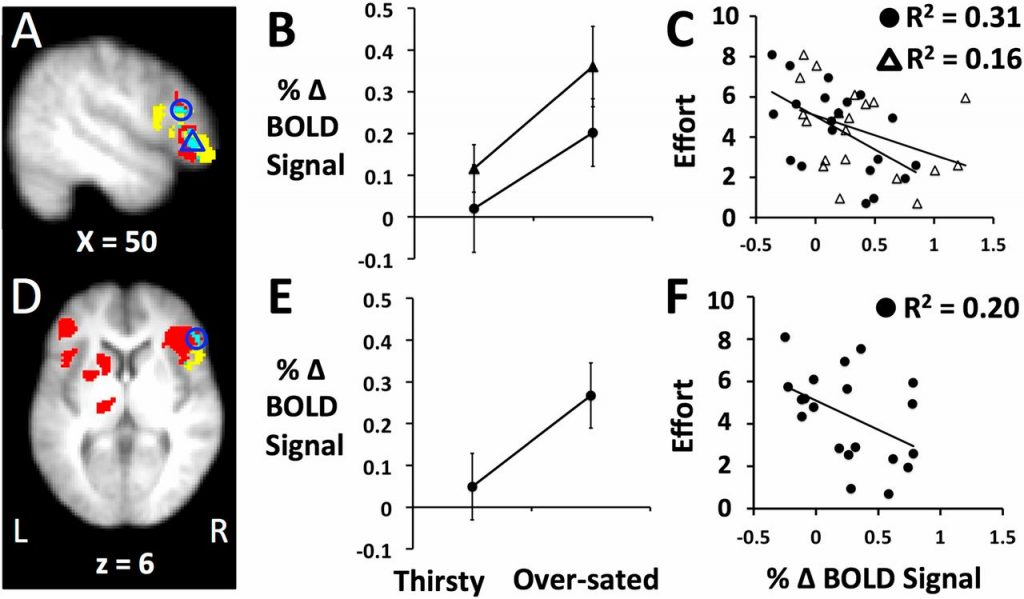
As shown in the figure:
- (A and D): Red areas indicate increased activity during overhydration compared to thirst; yellow areas relate to effort; light blue areas indicate shared activity
- (A): Blue circle = right inferior frontal gyrus; blue triangle = right frontal pole
- (D): Blue circle = right inferior frontal gyrus
(B and E): Each marker represents the percentage change in BOLD signal between thirsty and non-thirsty states
(C and F): Each marker represents the correlation between perceived effort and BOLD signal change
All three regions show increased activity during overhydration and a negative correlation with effort
Additionally, both the International Association of Athletics Federations (IAAF) and the International Marathon Medical Directors Association (IMMDA) recommend:
If you are not thirsty, do not force yourself to drink water.
Practical Conclusion
In daily life, thirst can be used as the primary signal for hydration.
However, you should also adjust based on your environment. For example, in hot conditions or before exercise, you should hydrate proactively.
Why Is My Throat Dry Even When I Drink Water
Some people experience a dry throat even after drinking plenty of water. This does not necessarily mean insufficient intake.
Common causes include:
- Mouth breathing, especially during sleep
- Dry environments (air conditioning or heating)
- Caffeine and alcohol (mild diuretics)
- Certain medications (e.g., antihistamines, antidepressants)
In some cases, it may be related to medical conditions such as Sjögren’s syndrome or blood sugar issues.
If you maintain normal hydration but still experience persistent dryness, medical consultation is recommended.
Common Questions About Drinking Water
1. Can I Drink Water Before a Fasting Blood Test
Yes, but only plain water—not beverages.
Drinking a moderate amount of water before tests such as blood glucose or lipid panels does not affect results. Water contains no calories and does not alter blood glucose or lipid levels.
It may also improve circulation and make veins easier to locate.
2. Can I Drink Water While Fasting
For intermittent fasting, drinking water is allowed and encouraged. It does not break the fast and helps control hunger and maintain normal body function.
For medical fasting, follow specific instructions, as some tests may restrict all fluids.
3. What Happens If You Drink Too Much Water
Excessive water intake can dilute sodium levels in the blood and lead to hyponatremia.
Symptoms include:
- Headache
- Nausea
- Vomiting
- Fatigue
Severe cases may lead to coma.
Avoid excessive water intake.
4. Can You Drink Water During Ramadan
During Ramadan, Muslims do not consume food or water from sunrise to sunset.
This includes all forms of liquid intake.
After sunset (iftar), normal eating and drinking resume, and many people hydrate during this period to prevent dehydration.
Summary
Water is essential for the body, and its importance cannot be overstated.
Daily intake varies by individual, but a general recommendation is 2–3 liters. Intake should be increased in hot environments or with exercise.
In terms of water type, mineral water or lemon water is generally recommended. Purified and distilled water are not ideal for long-term use. When drinking lemon water, avoid large amounts on an empty stomach and consider using a straw.
Regarding whether to drink only when thirsty, current consensus suggests that drinking when thirsty is sufficient, but it should not be followed too rigidly. Since thirst can occur at 1–2% dehydration and negative effects begin around 2%, the key is to avoid both dehydration and overhydration.
More importantly, do not force yourself to drink excessive amounts of water.