

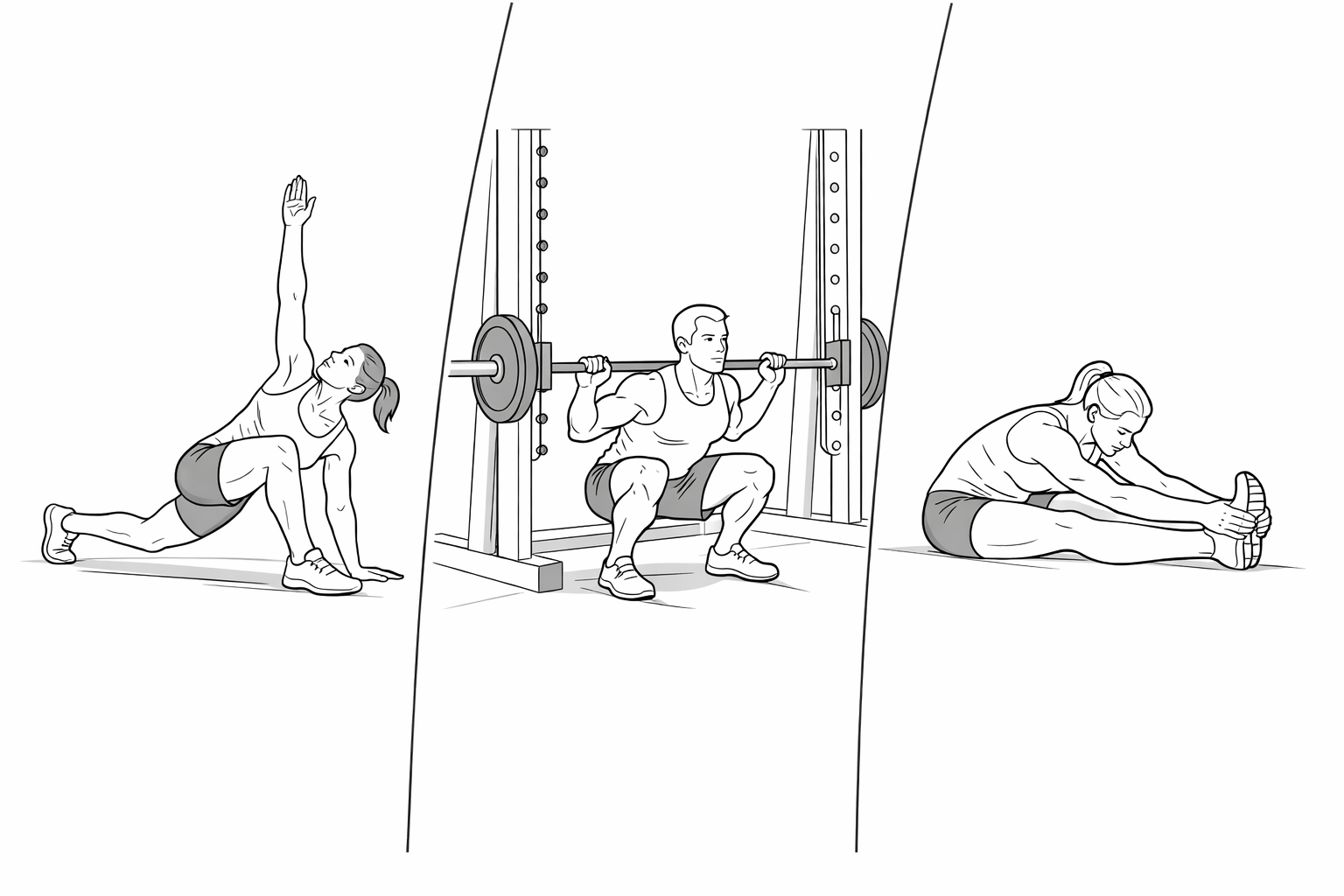
A beginner-friendly leg day workout focusing on core stability and fat loss with compound movements and specific exercises for improving mobility.
So far, we’ve shared three training plans for our beginner fat loss trainee. Today, we’ll take you through the fourth leg day training plan. If you’ve been following along, you’ll know that the trainee’s current goal is to reach 67 kg, with his starting weight at 80.4 kg (we’ve introduced his background and goals in previous post).
After one week, he’s already lost 1.4 kg, which is a great start! The results are primarily due to his strict adherence to both diet and training.
Now, you might be wondering—is today’s leg day training plan the same as before? Or has it changed? This is a common question.
If the exercises were always the same, it would feel like hiring a coach is a waste of money. But if exercises are constantly changing, it can feel like the coach is just showing off their knowledge without truly considering the trainee’s needs.
The correct answer is: the framework remains the same, but the plan has specific adjustments.
The framework refers to the Push / Pull / Legs split that we’ve followed consistently, and for the next 1–2 months, this will continue to be the main structure. Each workout should focus on compound movements, core stabilization, and heart rate elevation.
What changes are the exercises themselves—this includes adjustments in weight, intensity, and sometimes exercise variations. For example, we swapped barbell Romanian deadlifts with machine exercises due to the trainee’s core stability and hip mobility limitations. We also added a leg adduction machine to address knee valgus (inward knee movement) during squats.
Beginner Fat Loss Leg Day (Core-Friendly, High Heart Rate) Training Plan
Warm-Up
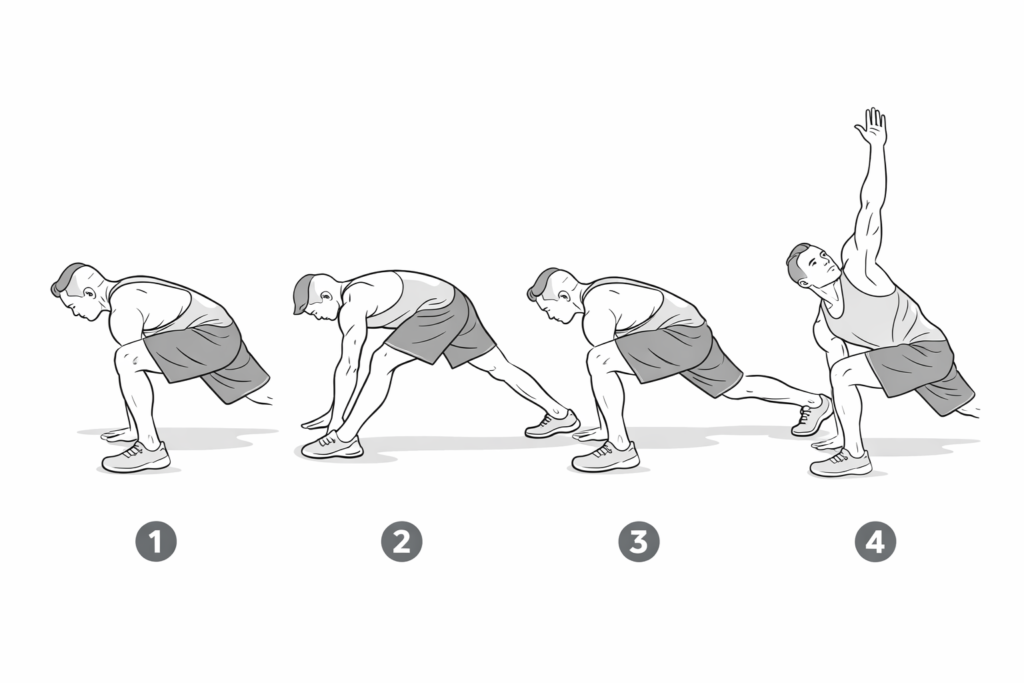
World’s greatest stretch
- 2 sets
- 5 reps per side
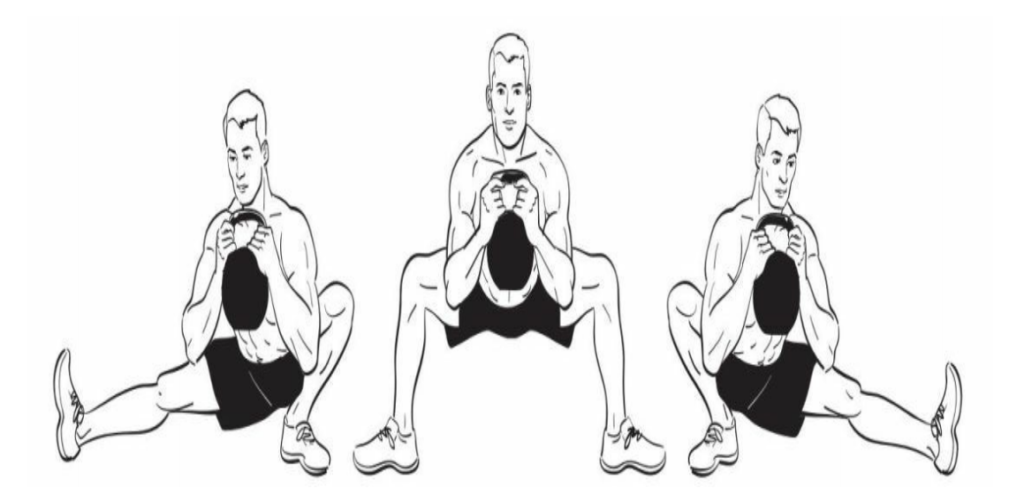
Cossack Squat
- 2 sets
- 5 reps per side
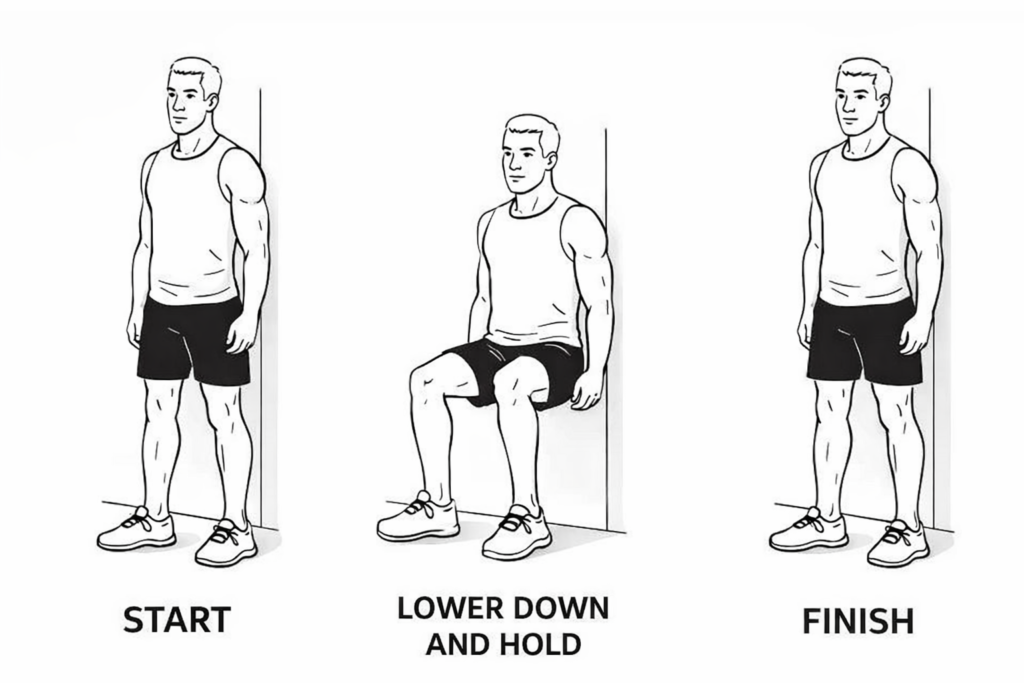
Wall Sit
- 1 set
- 30 seconds
The importance of warming up cannot be overstated, especially during winter months. Before diving into the main workout, take a few minutes to raise your body temperature. In addition to these two exercises, a 5-minute brisk walk on the treadmill is an excellent way to get your body ready for training.
Main Exercises
Glute Squat(with Power Squat Machine)
- 4 sets
- 12 reps
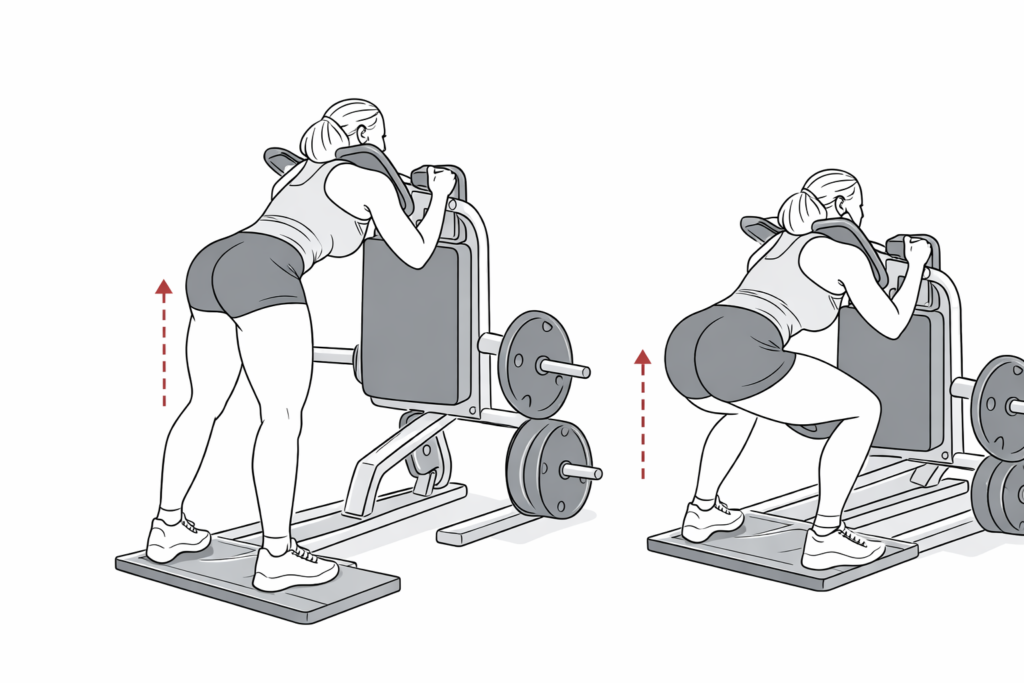
As mentioned, we originally planned to do barbell Romanian deadlifts to target the hamstrings and biceps femoris, but after observing the trainee’s limitations with core stability and hip mobility, we switched to a machine exercise. This way, the focus shifts to the hamstrings without compromising form due to core weaknesses.
Smith Machine Squat
- 4 sets
- 10 reps
The Smith machine squat is a fantastic alternative to free-weight squats for beginners, as it requires less core engagement. For new trainees unfamiliar with squats, focusing on hip flexion before knee flexion can help you target the quadriceps more effectively.
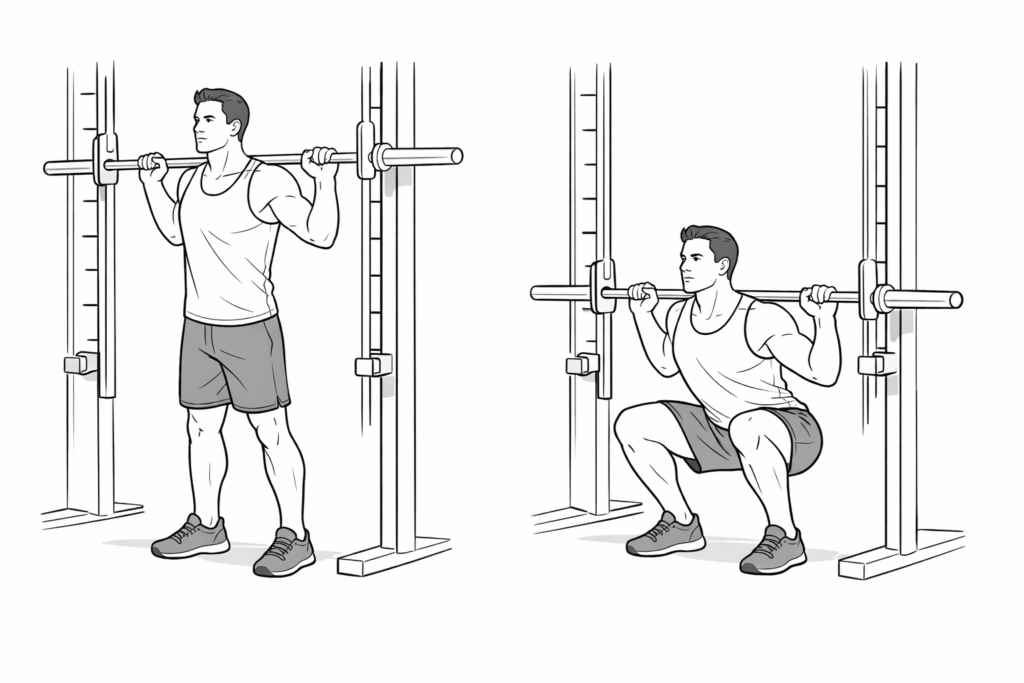
Goblet Squat
- 4 sets
- 12 reps
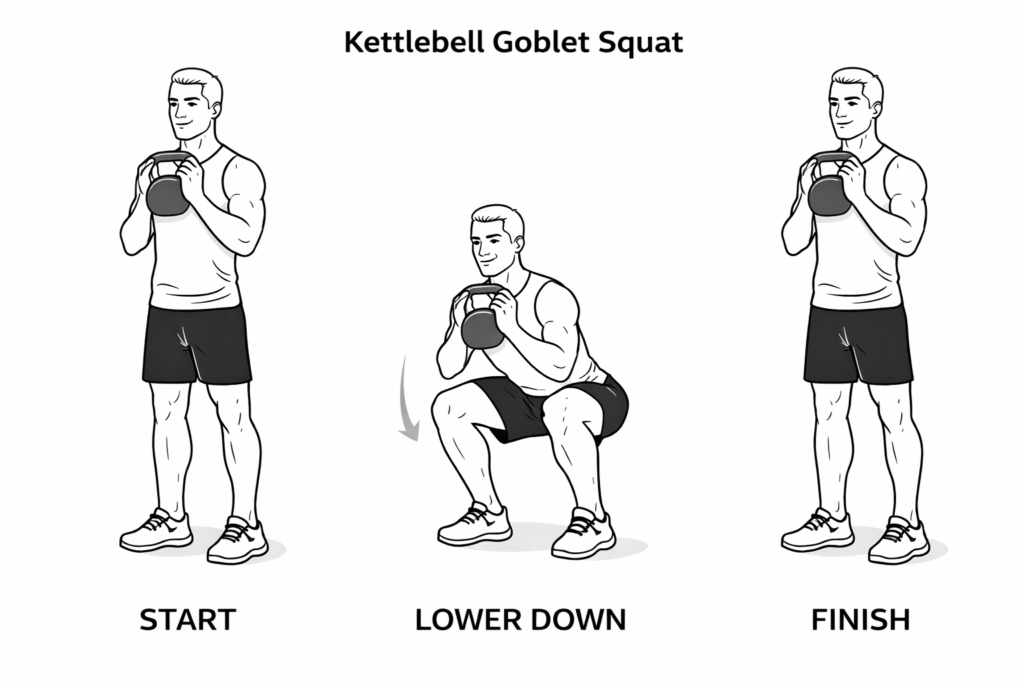
A variation of the squat that uses a dumbbell held at chest height, helping correct posture and prevent excessive forward lean. For beginners who struggle with mobility issues, this is a great posture-correcting exercise.
Dumbbell Step-Ups
- 4 sets
- 15 reps per side
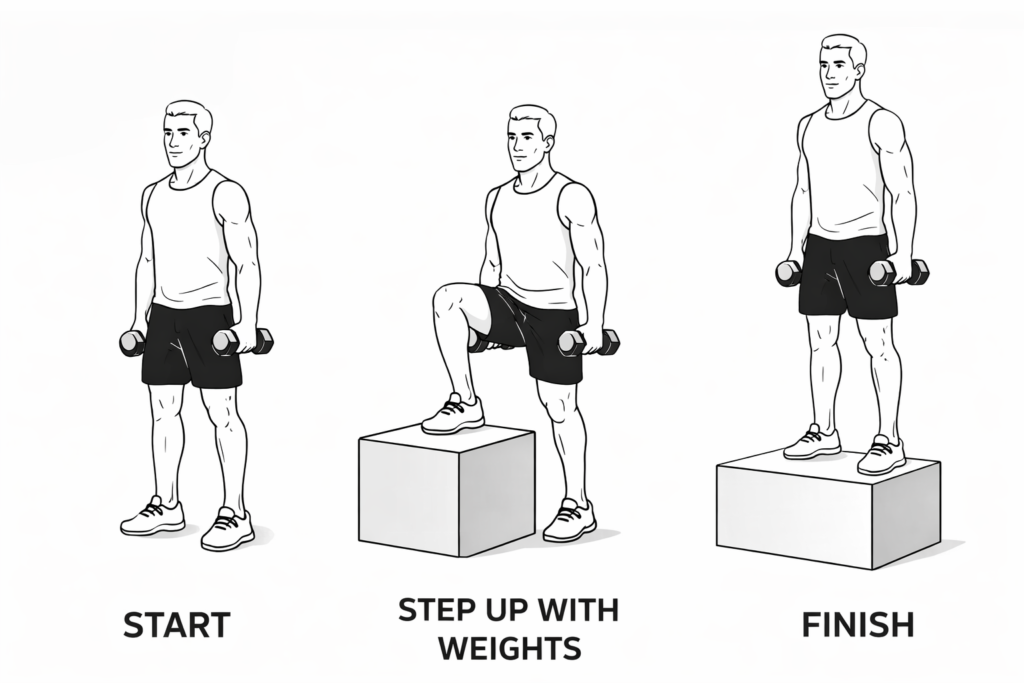
In this session, we swapped the dumbbell step-ups and goblet squats to add some variety. Changing the sequence of exercises like this can alter muscle memory and provide new challenges for the body.
Leg Adduction Machine
- 3 sets
- 12 reps
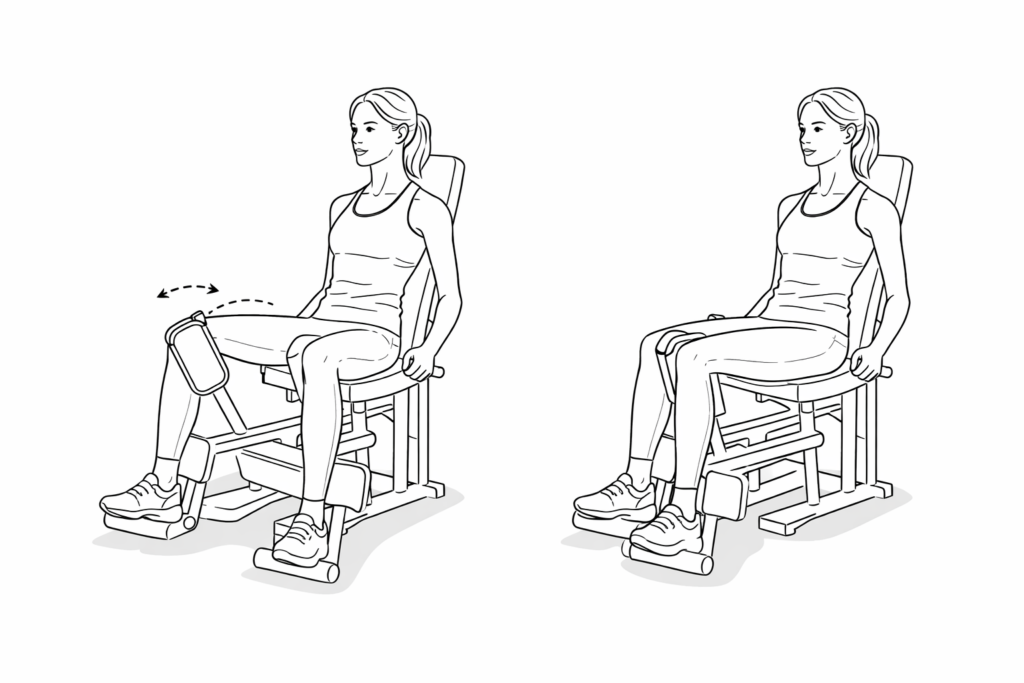
During Smith machine squats and goblet squats, we observed that the trainee’s knees tended to cave inward due to weak adductors. To address this, we added the leg adduction machine at the end of the workout.
This exercise is fairly straightforward—just focus on peak contraction and hold for one second before releasing, ensuring full control during each rep.
Plank Hold
- 2 sets
- 40–60 seconds
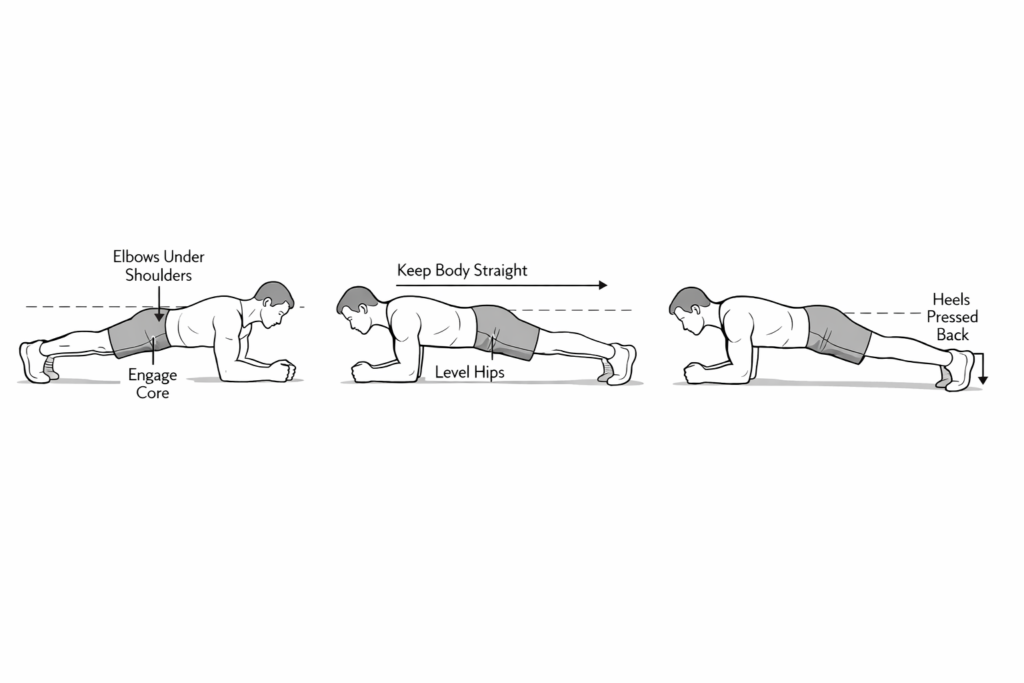
As mentioned earlier, the trainee’s hip mobility and core strength are areas of concern. To target these weaknesses, we incorporated the plank hold at the end of the session.
This anti-extension static core exercise strengthens the deep abdominal muscles—particularly the transverse abdominis, multifidus, diaphragm, and pelvic floor—and helps develop better core stability.
Stretching
Half-Kneeling Hip Flexor Stretch
- 1 set
- 45 seconds per side
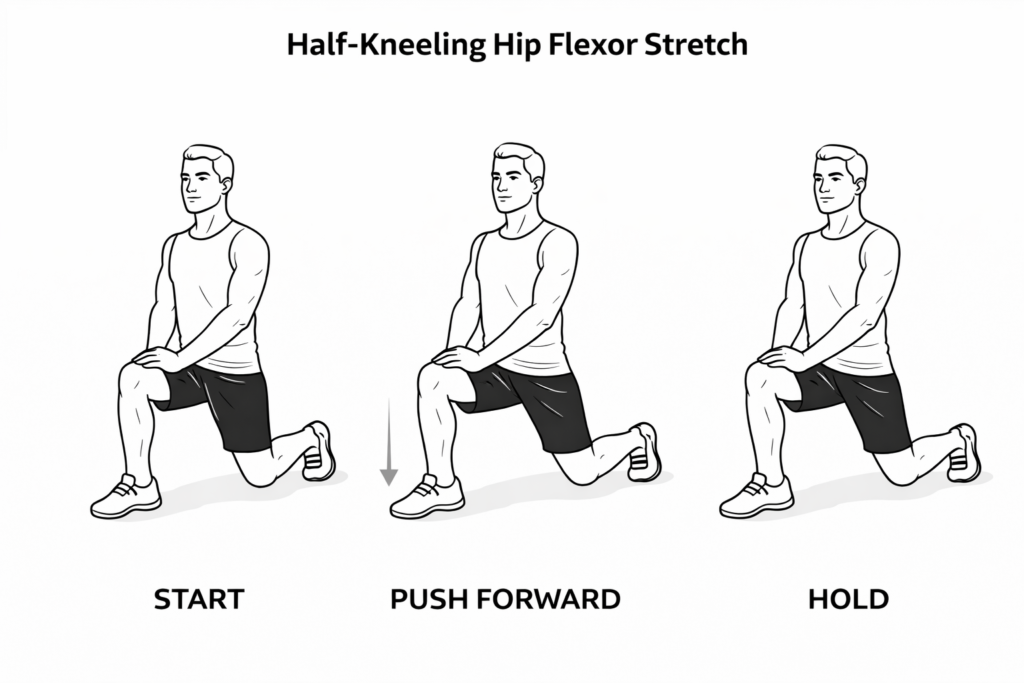
Seated Hamstring Stretch
- 1 set
- 30 seconds per side
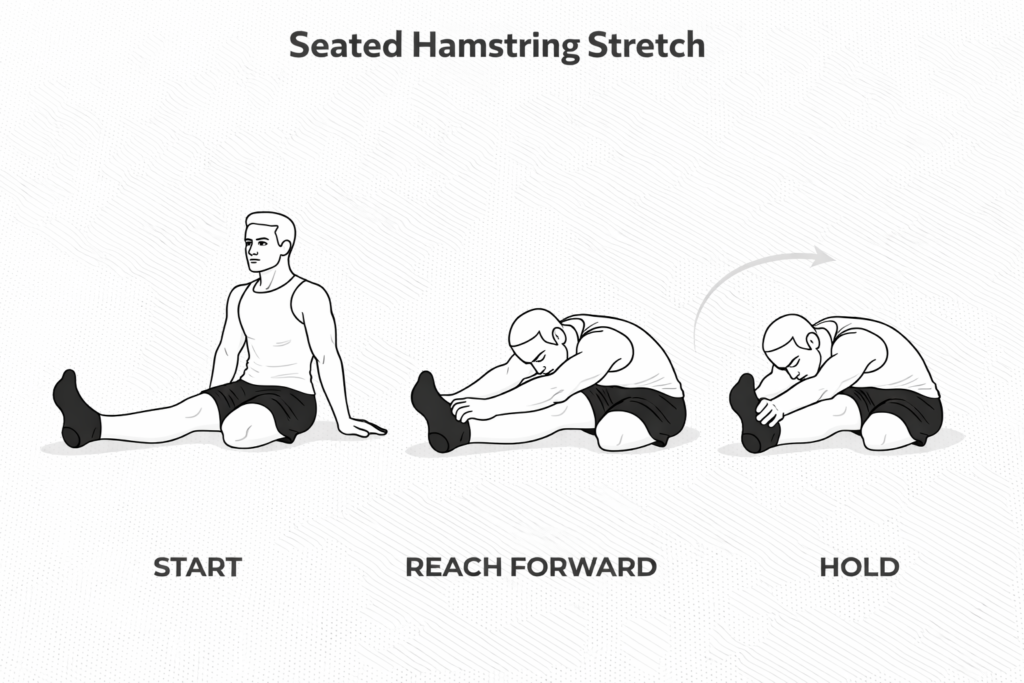
For more stretching exercises, we recommend this bauerfeind.com
