

A real beginner fat loss case study with diet strategies, cardio plans, and resistance training tips for overweight individuals.
If you are a beginner with no training experience, a BMI over 25, and a clear goal of fat loss, you may be wondering where to start. If that sounds like you, you’re not alone — many people face the same questions when they first consider changing their body composition.
Recently, DailyFitnessDiet (DFD) worked with a member who fits this exact profile.
Real Beginner Case
Member Profile
- Age: 30+
- Height: 170 cm
- Weight: 81.85 kg
- BMI: 28.3
- Body fat percentage: 28.8%
- Muscle mass: 55.3 kg
- Muscle percentage: 67.5%
While body composition measurements are never 100% accurate, they provide more than enough information to assess overall physical condition.
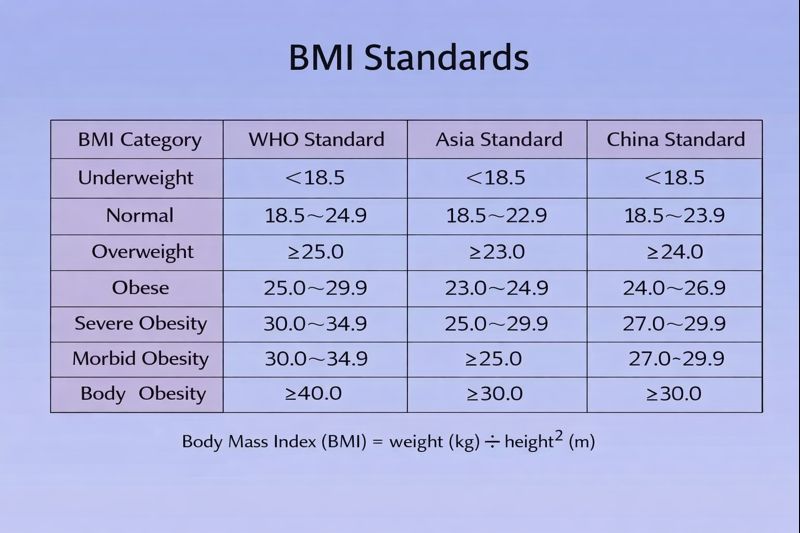
According to Asian BMI standards, a BMI above 27 falls into the obesity category. Since this member had no previous training background, the excess body weight was clearly not caused by unusually high muscle mass.
However, a muscle mass of 55 kg and a muscle percentage above 67% suggest that he is not completely inactive. In more casual terms, this is what we often call a “skinny fat” body type — someone who may not look extremely overweight but carries a high level of body fat.
At this stage, the primary goal is clear: fat loss first. Decisions about muscle gain or other training goals can come later, once body fat levels are reduced.
Based on this assessment, the plan focuses on three key areas.
1. Nutrition
Nutrition is the core driver of fat loss. To be blunt, people can lose weight through diet alone, even without exercise — which is why dietary control is the top priority.
After calculation, this member’s estimated daily energy expenditure falls between 2,048 and 2,645 calories, based on activity multipliers of 1.2–1.35. We therefore set a strict daily calorie intake target of 1,500–2,000 calories, with one flexible day per week.
Key Nutrition Guidelines
- Vegetables:
Increase vegetable intake significantly. At least 500 grams per day, with a wide variety of vegetables. - Carbohydrates:
Completely eliminate refined carbs. Staple foods should come from corn, oats, whole wheat bread, potatoes, sweet potatoes, and yams, with carbohydrates accounting for about 32% of total daily calories. - Fats:
Fat intake is still necessary, but the focus should be on high-quality fats.
We removed packaged mixed nuts from the diet, as many contain dried fruit with high sugar content and fats that are not ideal for fat loss. Instead, almonds became the primary nut choice.
Other suitable options include avocado, salmon, and certain seed oils.
2. Training
Although fat loss can occur through diet alone, weight loss typically involves a reduction in both fat and muscle.
Relying only on diet often leads to a situation where body weight decreases, but physical appearance and fitness do not improve significantly. For anyone planning to build muscle later, exercise is essential.
This member also works as a programmer, spending long hours sitting at a computer and using a phone frequently. As a result, posture issues such as rounded shoulders, forward head posture, and upper back stiffness are common and need to be addressed through training.
The training plan includes two main components.
Cardio Training
- At least 3 sessions per week
- 30 minutes per session
- Activities such as brisk walking or stair climbing
Because of the higher body weight, running is not recommended initially. Low-impact cardio options that are easier on the knees are a safer and more sustainable choice.
Resistance Training
Resistance training focuses on compound movements with higher repetitions. Since this is beginner training, no heavy weights are used. The priority is learning proper technique and building a solid foundation for future muscle gain.
Compound exercises are selected to help raise heart rate and improve overall conditioning. If the member’s fitness level allows, supersets may also be introduced during training.
What’s Next?
Going forward, we will continue to share real training plans, coaching insights, and progress updates from our members on this website.
Beginner Fat Loss Training Plan: Lower Body Resistance Workout
Beginner Push Day Workout: Chest and Shoulder Training for Fat Loss
Beginner Pull Day Workout: Back Training for Fat Loss
Beginner Leg Day Workout Plan: Core-Friendly High Heart Rate Training
Push Day Workout Meaning: Benefits & Muscles & Exercises List