

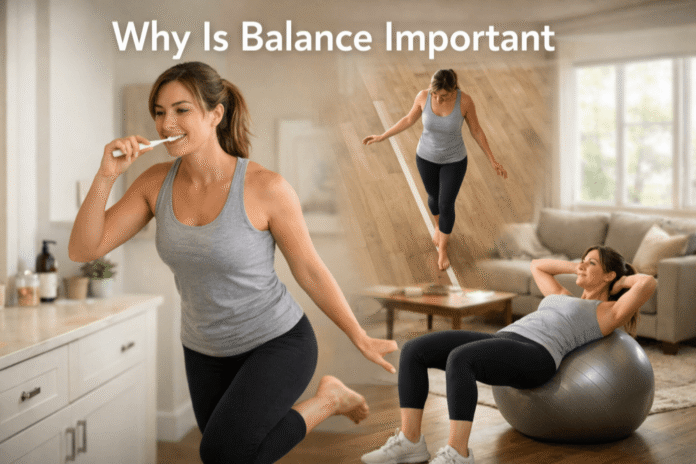
Balance refers to the body’s ability to maintain an upright posture or control stability during movement. It is closely related to both vision and hearing. Good balance is essential for almost all types of movement.
Training balance from an early age can help reduce the risk of falls later in life. For older adults, falls can be especially serious—even a minor stumble may lead to soft tissue injury, while more severe cases can result in fractures or even life-threatening consequences.
There are two types of balance: static balance and dynamic balance. Static balance is the ability to maintain a certain posture while the body remains still, whereas dynamic balance refers to the ability to adjust and control body position during movement.
If balance is not trained regularly, it will gradually decline with age. Alongside strength, flexibility, and cardiorespiratory fitness, balance is one of the four key components of fitness. For anyone aiming to become a well-rounded athlete, training all of these elements is essential, as they help improve overall physical condition and enhance performance.
Many people do not realize they lack balance until they begin training seriously and find themselves unable to perform certain movements.
During balance training, attention should be given to muscles that are often overlooked. Strengthening these muscles helps improve joint stability and mobility. In addition, posture can also be improved. Conditions such as rounded shoulders, excessive kyphosis, anterior pelvic tilt, or limited upper-body mobility can all be effectively corrected.
Balance training differs from cardiovascular or resistance training in that there are no strict guidelines.
This type of training is suitable for people of all ages, from children to older adults. It is recommended to practice balance at least twice per week, either as part of a warm-up, a supplementary exercise, or combined with stretching.
Balance training can be very simple. For example:
- When stretching, choose more unilateral movements
- When performing exercises such as bicep curls or shoulder presses, try standing on one leg
However, during resistance training, if balance is lost, the center of gravity becomes unstable, which may lead to injury.
When performing stretches, such as quadriceps stretches or standing glute stretches, try to avoid holding onto support whenever possible.
Activities such as yoga and Tai Chi are also excellent choices. They help improve balance while promoting harmony between body and mind.
If you are an endurance athlete, better balance can help you run longer, cycle farther, and improve long-distance swimming performance.
Regardless of your athletic background, maintaining good balance is beneficial.
If you want to further develop your balance training, you can use tools such as foam rollers, balance boards, or stability balls.
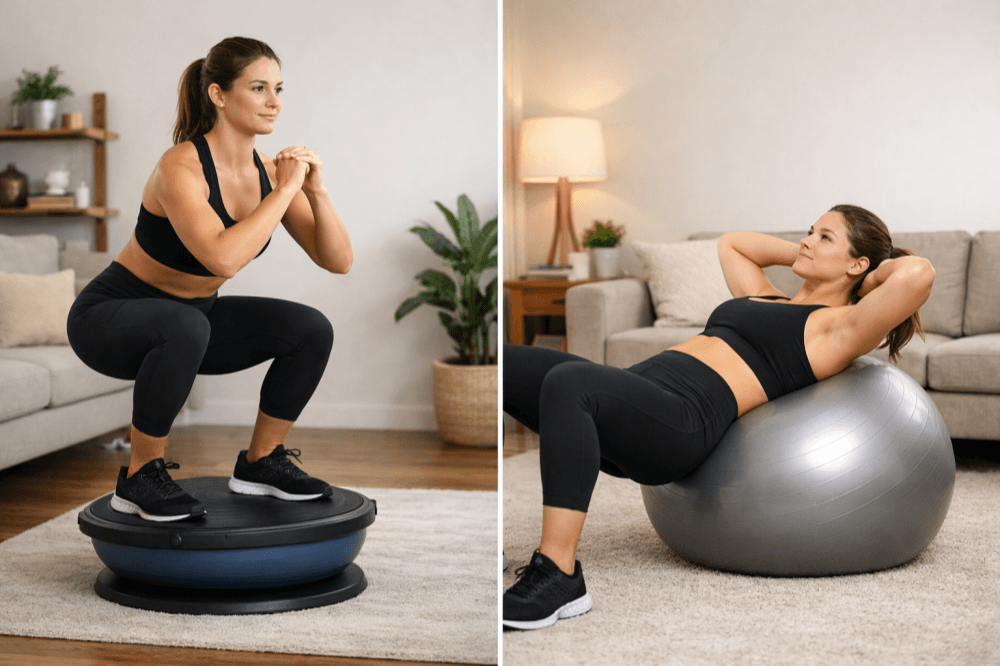
These tools make balance training more engaging and provide a wide variety of options, helping to prevent boredom.
If you are short on time, you can still train balance during daily activities. For example, while brushing your teeth, washing dishes, or preparing food, you can practice standing on one leg or walking in a straight line on flat ground. These simple actions can effectively improve your balance.
If the above reasons are not enough to convince you, there is also strong evidence from sports science research.
People with better balance tend to have:
- Better coordination
- Greater muscle strength
- Faster recovery after injury
It is never too late to improve your balance.
Also recommend:5 Common Workout Mistakes That Limit Your Progress
